Category: Pet Safety Tips
**Pet Safety Tips** are essential for protecting your pet from everyday risks at home and outdoors. Start by creating a safe living environment—keep toxic plants, cleaning products, medications, and small objects out of reach. Secure trash bins and store food safely to prevent accidental ingestion. When outside, always use a leash or ensure your yard is properly fenced to avoid escapes. Make sure your pet wears an ID tag and is microchipped in case they get lost. During travel, use a secure carrier or pet seatbelt for safety. Be mindful of extreme weather conditions, busy roads, and unfamiliar animals. Regular health checkups and up-to-date vaccinations also play a key role in overall safety. By staying aware of potential hazards and taking preventive steps, you can ensure your pet remains safe, protected, and happy every day.
-
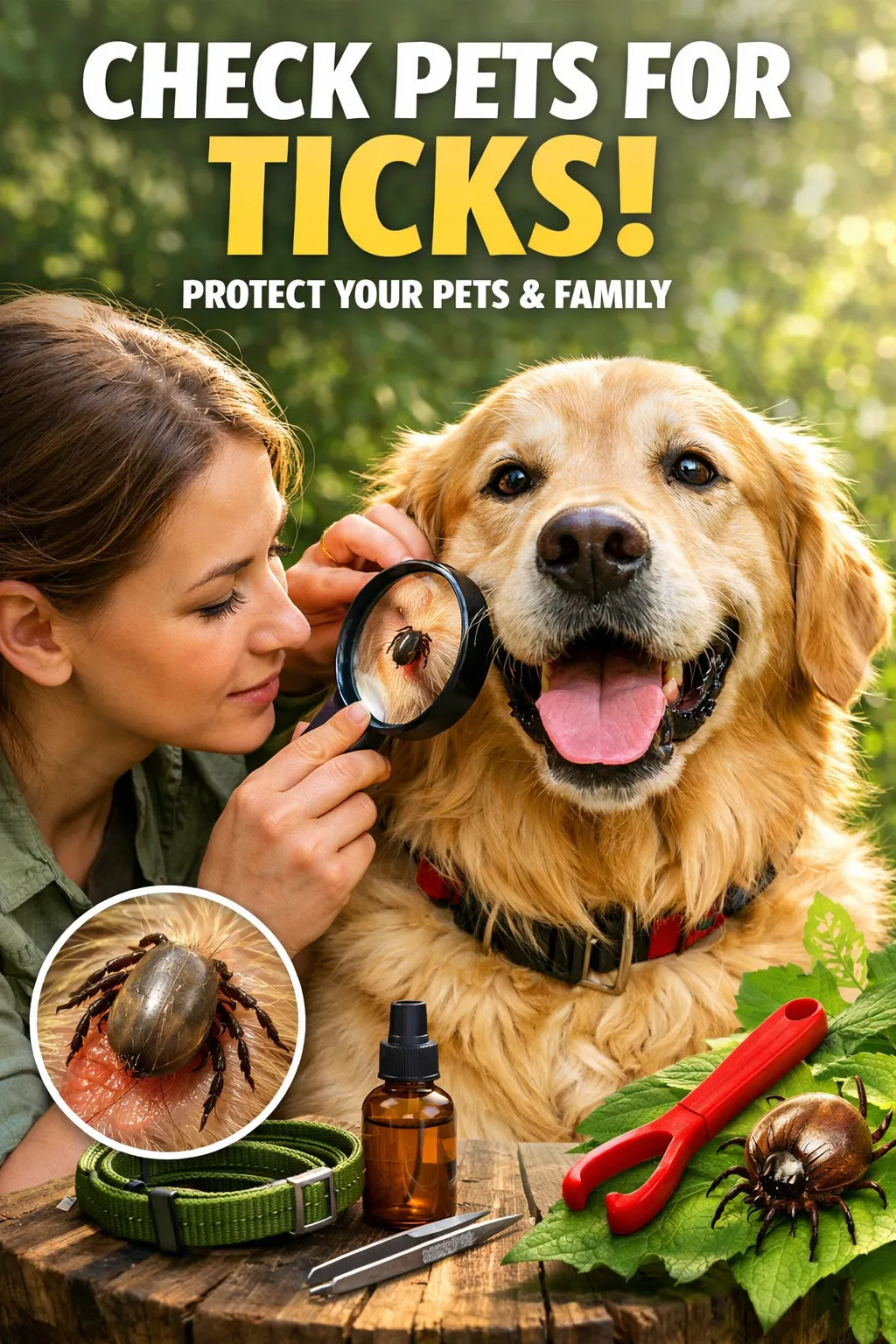
How to Check Pets for Ticks: The Complete Guide for Dog & Cat Owners (2026)
As we find ourselves enjoying the balmier temperatures of 2026, pet parents living in the U.S., U.K. and Canada have to remain alert fighting against a silent spring menace: swelling tick populations. Learning how to check pets for ticks is an essential skill that goes beyond basic grooming — it is a vital component of